Okay, the next order of important business: label reading. For whatever reason you’re going dairy-free or gluten-free you should probably go all out! It takes about 4 weeks to get all the gluten or dairy out of your system and another 2-4 weeks to heal your gut from all the trauma you caused it by ignoring the signs [ again stubborn me]. So when you decide to make this change here is what you need to look for on labels and what some phrases mean.
Gluten: wheat, flour [ unless otherwise specified], oat, barley, rye, and malt.
These are things I see often on labels there are many other ways gluten can be in items but these are the ones I see the most and I personally have to watch out for. Oat, barley, and rye are all different grains that are very similar to wheat and unless otherwise specified it can make you react.
Dairy: lactose, butter, casein, whey, and cheese again these are very common words that in other words means dairy or dairy protein.
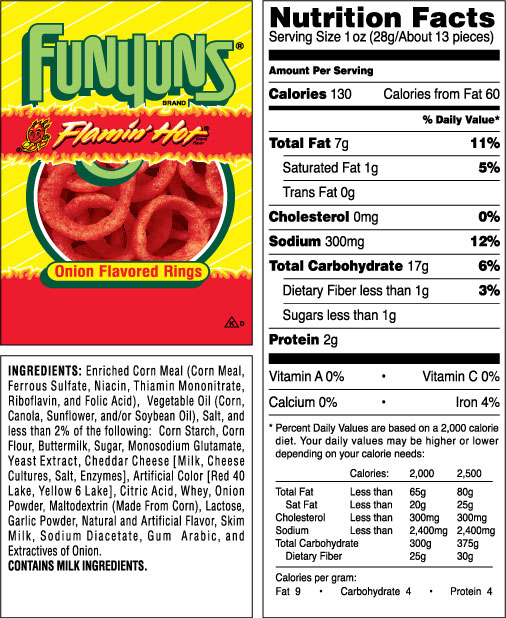
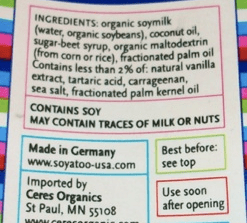
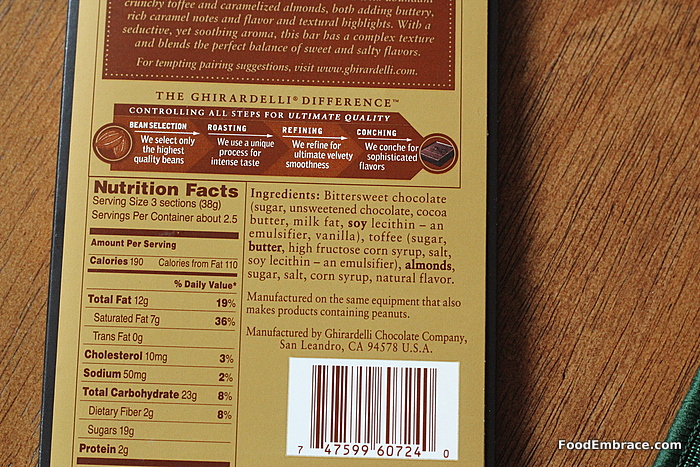
Here are a few tips. When looking at labels look at the bold lettering which usually will be in the ingredient list. These bold words are common allergens and you can figure out at a glance if it has dairy or gluten. There is also a note at the bottom of a lot [but not all] products that will let you know if it contains dairy or gluten but saying again in bold letters Contains: with a list of ingredients that can be common allergens. This is not to be confused with May Contain: which is a cross-contamination warning that is letting you know other products with dairy and gluten are made in the same factory possibly in the same machinery. These machines are supposed to be [ and most likely are ] washed and sanitized between foods but this can still affect the very sensitive or allergic to dairy or gluten and should be headed as a warning. In my family cross-contamination means nothing and we can eat it with no issues but I would proceed with caution when first trying out foods with a May Contain: warning at the bottom.
Here’s the catch though. All these bold letterings Contains and May Contain warnings are just the company being nice, they are not expected or even forced to put this on all products which is why even though this is helpful you should always read all ingredients before consuming a product.
Other labels to make things easier.
When you see the word Vegan you are safe from dairy. Vegan means there are no animal products in that item at all. Which means you don’t need to worry about dairy or beef being present in any form. But if you find something vegan you need to make sure it is gluten-free also because vegan-only pertains to animal products which gluten is not. It’s very common to have dairy products with gluten or gluten products with dairy so you need to again read the ingredients lists thoroughly before consuming.
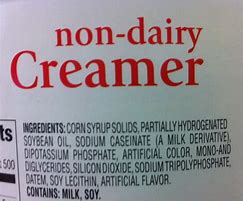
Another quick note is that Non-Dairy does not mean dairy-free. I know, confusing. They are allowed to put this because its, in short, not 100% dairy products. These non-dairy items can still contain whey, casein, and milk derivatives and should be avoided when going dairy-free. But yet another catch, some items labeled non-dairy CAN be dairy-free for reals! Why not make it simple you ask? I don’t know but I’ll sign the petition because this is ridiculous!
Anyways bottom line is. Check all labels and read all ingredients. It matters and it’s easy to slip up!

 Keep all the Flavor